SEO Metadata
SEO Title: Investing in Galveston Real Estate: A 2026 Guide to Short-Term Rentals
Meta Description: Discover how to maximize ROI with Galveston short-term rentals in 2026. Get hyper-local insights on TWIA windstorm insurance, Hotel Occupancy Taxes, and top neighborhoods like Pirate's Beach.
URL Slug: /investing-galveston-real-estate-short-term-rentals-2026
Investing in Galveston Real Estate: A 2026 Guide to Short-Term Rentals
Bottom Line Up Front (BLUF): Galveston Island remains one of the Gulf Coast's most lucrative and resilient short-term rental (STR) markets as we move through 2026. Astute investors are frequently achieving 10-14% gross rental yields by leveraging the island's year-round demand drivers. However, success is not guaranteed. It requires hyper-local expertise—specifically, navigating the complexities of the Texas Windstorm Insurance Association (TWIA), managing the 15% combined Hotel Occupancy Tax (HOT), and strategically selecting the right micro-market, from the family-centric enclaves of Pirate's Beach to the transient, high-volume condo market along the Seawall. This guide provides the blueprint for building a highly profitable coastal portfolio.
The State of the Galveston STR Market in 2026
For decades, Galveston Island has functioned as the primary coastal playground for Houstonians. Yet, over the past five years, its appeal has radically broadened. The island has evolved from a regional weekend getaway into a nationally recognized vacation destination.
What makes Galveston unique compared to other coastal towns in Florida or the Carolinas is its robust, multifaceted economy. It isn’t merely a beach town that shuts down in December; it is a thriving historic seaport, one of the nation’s busiest cruise ship terminals, and the home of the University of Texas Medical Branch (UTMB).
For real estate investors, this dual identity—a premier leisure destination coupled with powerful institutional economic drivers—creates an incredibly resilient investment environment. When the summer tourist season winds down, the influx of winter Texans ("Snowbirds"), traveling nurses, medical residents, and cruise passengers provides a steady baseline of demand that smooths out seasonal revenue dips.
The Financial Upside: Targeting 10-14% Yields
In 2026, many saturated coastal markets across the United States have seen property values outpace rental rates, compressing cap rates to 4% or lower. Galveston, by contrast, still offers a highly compelling cash flow equation.
Experienced investors in the Galveston market typically target gross rental yields of 10-14%. Achieving these yields, however, requires a deliberate and strategic approach to property selection, aggressive marketing, and dynamic pricing models that account for the extreme seasonality of the island's micro-markets. You cannot simply buy a house, list it on Airbnb, and expect a double-digit return. You must operate the asset like a hospitality business.
Hyper-Local Neighborhood Guide: Where to Invest
Understanding the micro-markets of Galveston is the difference between acquiring a property that barely breaks even and one that produces significant, consistent positive cash flow. Galveston is a barrier island, stretching roughly 27 miles long, and the vibe, property types, and tenant demographics change drastically from the East End to the deep West End.
Pirate's Beach & Pirate's Cove: The Family Favorite
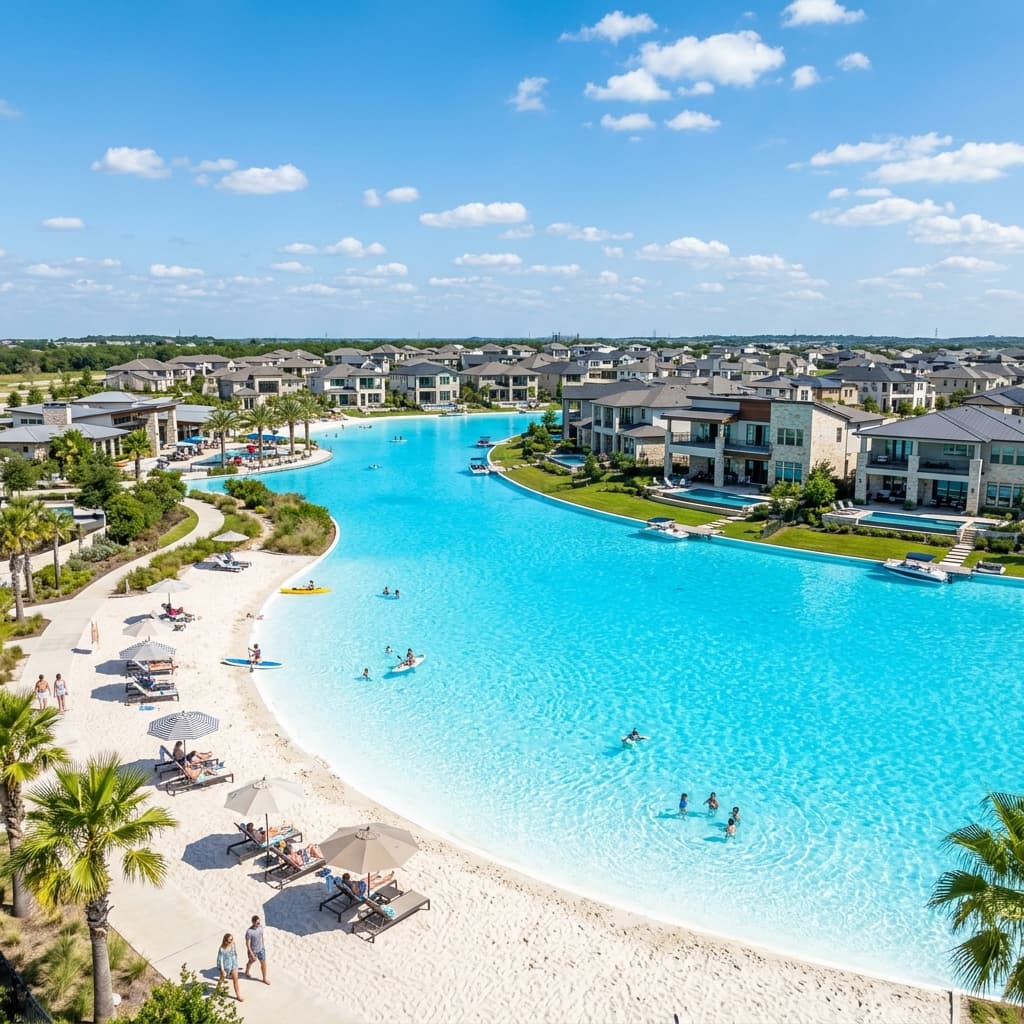
Located on the near West End of the island, Pirate's Beach (and its bay-side sister, Pirate's Cove) is arguably the most recognizable and prestigious name in Galveston vacation rentals.
- The Draw: This area is famous for its heavily restricted, family-friendly environment, meticulously clean beaches, and an established Homeowners Association that strictly maintains property standards.
- Investment Profile: Larger, elevated homes (typically 3 to 5 bedrooms) dominate this landscape. They command premium nightly rates during the peak summer season and are heavily booked for multi-generational family vacations and holiday gatherings.
- The Strategy: Optimize your listing for maximum occupancy and high Average Daily Rates (ADR) in June, July, and August. In the shoulder seasons, market specifically to Houston families looking for quick "staycation" deals or weekend getaways.
Terramar & Sea Isle: The West End Retreats
Further west down FM 3005, past Jamaica Beach, you will find communities like Terramar and Sea Isle. These neighborhoods offer a much quieter, more relaxed atmosphere compared to the bustling seawall.
- The Draw: These areas are known for their canal homes featuring private boat lifts, robust neighborhood amenities (like community pools and tennis courts), and a strong, laid-back community feel.
- Investment Profile: These neighborhoods are perfect for dual-purpose properties: a personal weekend retreat that doubles as a lucrative short-term rental. Properties with direct bay access for fishing are highly sought after and often book months in advance.
- The Strategy: Market heavily to fishing enthusiasts, bird watchers, and families looking to escape the hustle and noise of the commercialized tourist zones. A golf cart is practically mandatory here and serves as a major booking incentive.
The Seawall & East End: Year-Round Action
The Seawall is the beating heart of Galveston's tourist district, lined with hotels, seafood restaurants, souvenir shops, and the iconic Pleasure Pier. Just behind it lies the historic East End and the bustling Strand district.
- The Draw: Ultimate walkability to the beach, a high density of attractions, and close proximity to both the historic downtown and the sprawling UTMB campus.
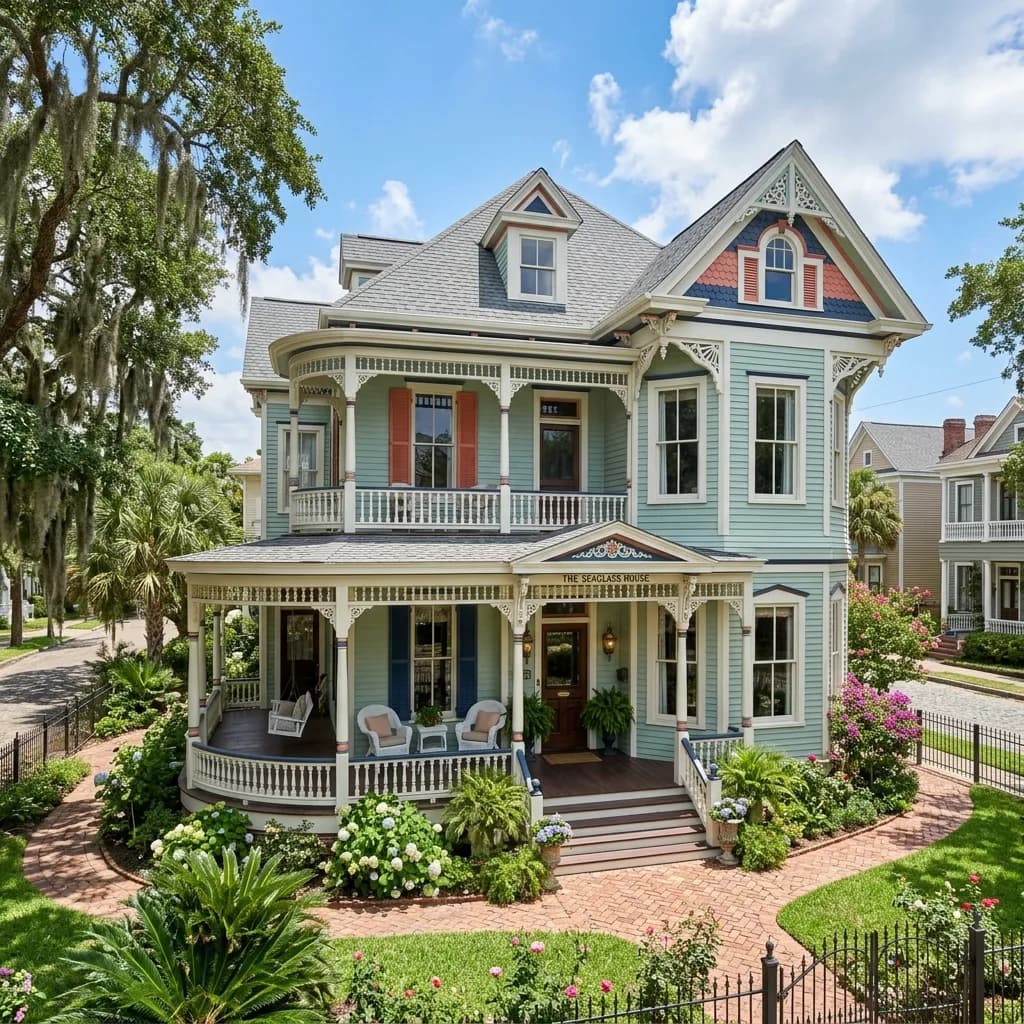
- Investment Profile: Condominiums completely dominate the Seawall. They offer lower price points for entry-level investors, though they often come coupled with significant HOA fees that cover exterior insurance and maintenance. Historic bungalows dominate the East End.
- The Strategy: Focus on high turnover and high occupancy rates. Seawall condos are perfect for couples, weekend getaway crowds, and the massive population of traveling nurses executing 30-to-90-day contracts at UTMB.
Crucial Real Estate Realities: TWIA, WPI-8s, and Flood Insurance
Investing on a barrier island located on the Gulf of Mexico comes with highly specialized operational and environmental realities. Do not let these catch you off guard; they must be factored into your underwriting and pro forma from day one.
Navigating TWIA Windstorm Insurance
Standard homeowner's insurance policies in Texas explicitly exclude coverage for wind and hail damage in designated coastal counties. If you buy in Galveston, you will need a separate policy, typically provided through the Texas Windstorm Insurance Association (TWIA) or a specialized private equivalent.
- The Cost Expectation: Expect windstorm insurance to be one of the largest single line items in your operating expenses. Premiums can range anywhere from $2,500 to well over $6,000 annually, depending on the property's age, exact location (distance to water), and construction type.
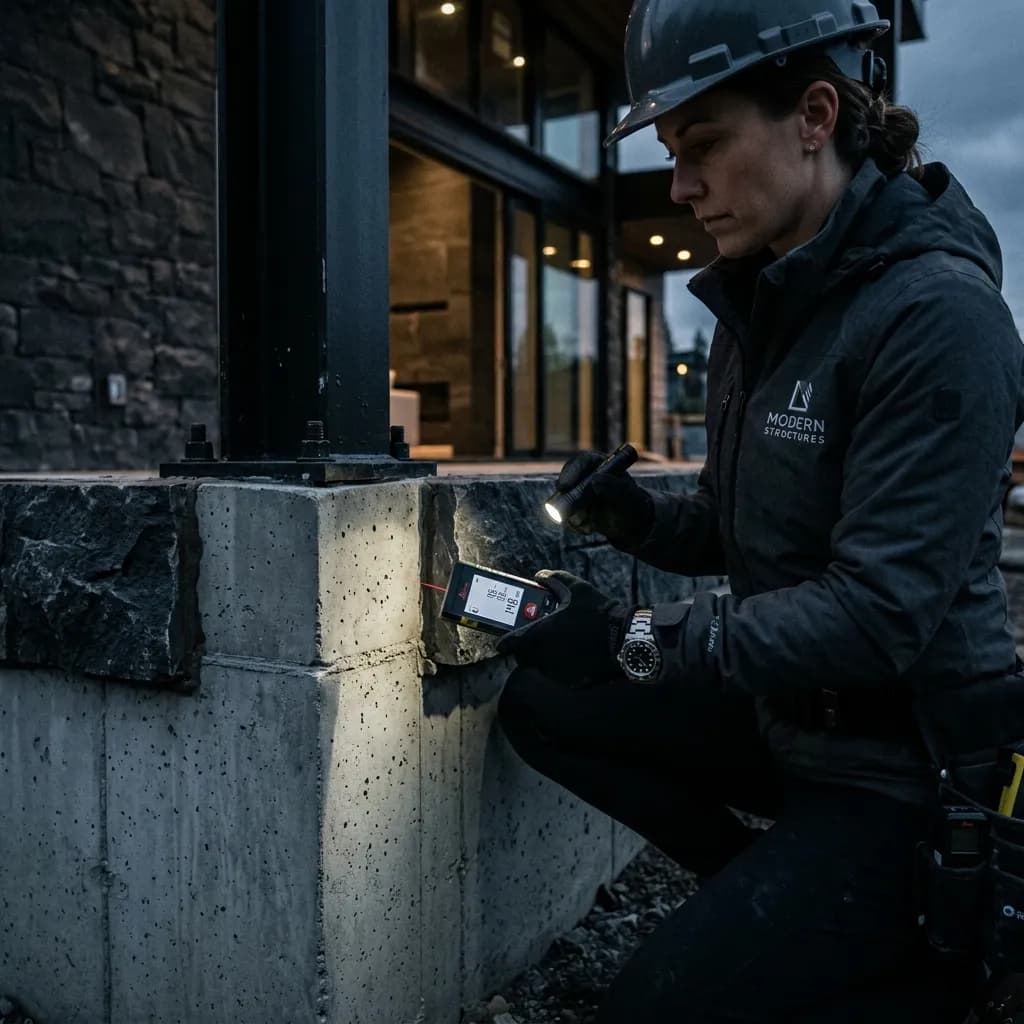
- The Importance of WPI-8 Certificates: When evaluating a property for purchase, it is critical to ensure that any recent roof replacements, window installations, or exterior structural modifications have a corresponding WPI-8 certificate (Windstorm Inspections Certificate of Compliance). Without this certification, securing TWIA coverage is nearly impossible, which will subsequently derail your ability to secure a traditional mortgage.
Mandatory Flood Insurance
You are investing on an island; therefore, you will need flood insurance. Most properties fall under FEMA's National Flood Insurance Program (NFIP), though robust private options have emerged in recent years. Elevated homes (those built on stilts or pilings) generally see significantly lower premiums than ground-level homes. This is a crucial financial factor when evaluating a newer West End beach house versus an older, mid-island bungalow.
The Regulatory Environment: Taxes and Compliance
Galveston is generally very friendly to short-term rentals, recognizing them as a vital component of the local tourism economy. However, the city takes its regulations and tax collections incredibly seriously.
The Hotel Occupancy Tax (HOT)
As an STR operator, you are legally required to collect and remit Hotel Occupancy Taxes on all reservations lasting fewer than 30 consecutive days.
- The Total Rate: The total HOT rate in Galveston is a hefty 15%. This is composed of a 9% local tax owed to the City of Galveston and a 6% state tax owed to the State of Texas.
- Platform Collection Mechanics: Major booking platforms like Airbnb and VRBO will often collect and remit the 6% state tax automatically on your behalf. However, you are typically responsible for setting up an independent account with the City of Galveston and remitting the local 9% tax either quarterly or monthly. Non-compliance, late payments, or operating an unregistered rental comes with steep financial penalties and the risk of losing your operating permit.
Property Registration
Every short-term rental property in Galveston must be formally registered with the Park Board of Trustees and the City of Galveston. Ensure this paperwork is filed immediately upon closing to avoid disruptions in your ability to list the property online.
Maximizing Your Galveston STR Investment Returns
To hit that targeted 10-14% yield in 2026, you cannot operate a basic, bare-bones rental. The Galveston market is professionalized and highly competitive, and guest expectations have evolved significantly.
- Differentiate with High-End Amenities: In the West End, a six-seater golf cart is practically mandatory and drastically increases a property's booking appeal. Similarly, outdoor living spaces equipped with fire pits, high-end grills, and fast, reliable mesh Wi-Fi networks are considered non-negotiable by today's travelers.
- Invest in Professional HDR Photography: It is genuinely shocking how many investors still rely on smartphone photos for properties grossing over $80,000 a year. High-dynamic-range (HDR) professional photography will pay for itself in the first booking. You must sell the dream visually.
- Leverage Dynamic Pricing Software: The difference in booking demand between a random Tuesday in February and the Fourth of July weekend is astronomical. Utilize dynamic pricing algorithms (like PriceLabs or Beyond Pricing) to adjust your nightly rates automatically based on real-time market supply, local events (such as the massive Lone Star Rally or Galveston Mardi Gras), and booking lead times.
The Bottom Line
Galveston real estate continues to offer an incredible wealth-building opportunity for investors willing to respect and navigate the unique aspects of coastal asset ownership. By thoroughly understanding the micro-markets—from the high-yield family homes of Pirate's Beach to the steady-eddy condos of the Seawall—accurately budgeting for the realities of TWIA and flood insurance, and remaining strictly compliant with HOT regulations, you can build a highly profitable and sustainable short-term rental portfolio.
The data is clear: 2026 is an exceptional time to enter the Galveston market, provided you have the right localized strategy.
Ready to Build Your Galveston Portfolio?
Do not attempt to navigate the complex island real estate market alone. The difference between a wildly profitable investment and a coastal money pit comes entirely down to hyper-local knowledge and precise underwriting.
Claim Your Concierge Galveston Island Investment Brief today.
Our elite team will provide a tailored, one-on-one analysis of current on-market properties, projected cap rates, detailed cash-on-cash return estimates, and proprietary insights into upcoming zoning and infrastructure changes on the island.
Click Here to Request Your Investment Brief and speak directly with our Galveston Local Experts.
Frequently Asked Questions (FAQs)
What is a good return on investment (ROI) for a Galveston short-term rental? A well-managed short-term rental in Galveston can routinely generate gross rental yields of 10-14%. Your net ROI will depend heavily on your individual debt service (interest rates), property management fees, and the specific insurance costs associated with your property, including TWIA windstorm and FEMA flood insurance. Experienced operators often see double-digit cash-on-cash returns.
Do I need a special license or permit for a short-term rental in Galveston? Yes, all short-term rental operators in Galveston must register their property with the Park Board of Trustees and the City of Galveston. Furthermore, you are legally required to collect and remit a 15% Hotel Occupancy Tax (9% local, 6% state) on all guest stays that are under 30 days in duration.
Which Galveston neighborhood is best for an Airbnb or VRBO investment? The "best" neighborhood depends entirely on your target demographic and investment strategy. West End communities like Pirate's Beach and Terramar are excellent for larger, multi-generational family rentals that command premium summer rates. Conversely, Seawall condos and East End historic homes are better suited for couples, year-round weekenders, and lucrative mid-term rentals for UTMB medical staff and traveling nurses.
Explore More from The Legacy Group
Looking to make a move? Take advantage of our exclusive resources:
- Search Off-Market and MLS Properties
- Get a Free Forensic Home Valuation
- Read our comprehensive Buyer's Guide
- Explore Houston Neighborhoods
For official flood map data, always consult FEMA's National Flood Insurance Program, and verify inspector credentials via TREC.
Ready to Take the Next Step?
Whether you're buying, selling, or investing, the Houston real estate market requires strategic expertise. Contact The Legacy Group today to schedule a private consultation and discover how we can help you achieve your real estate goals.