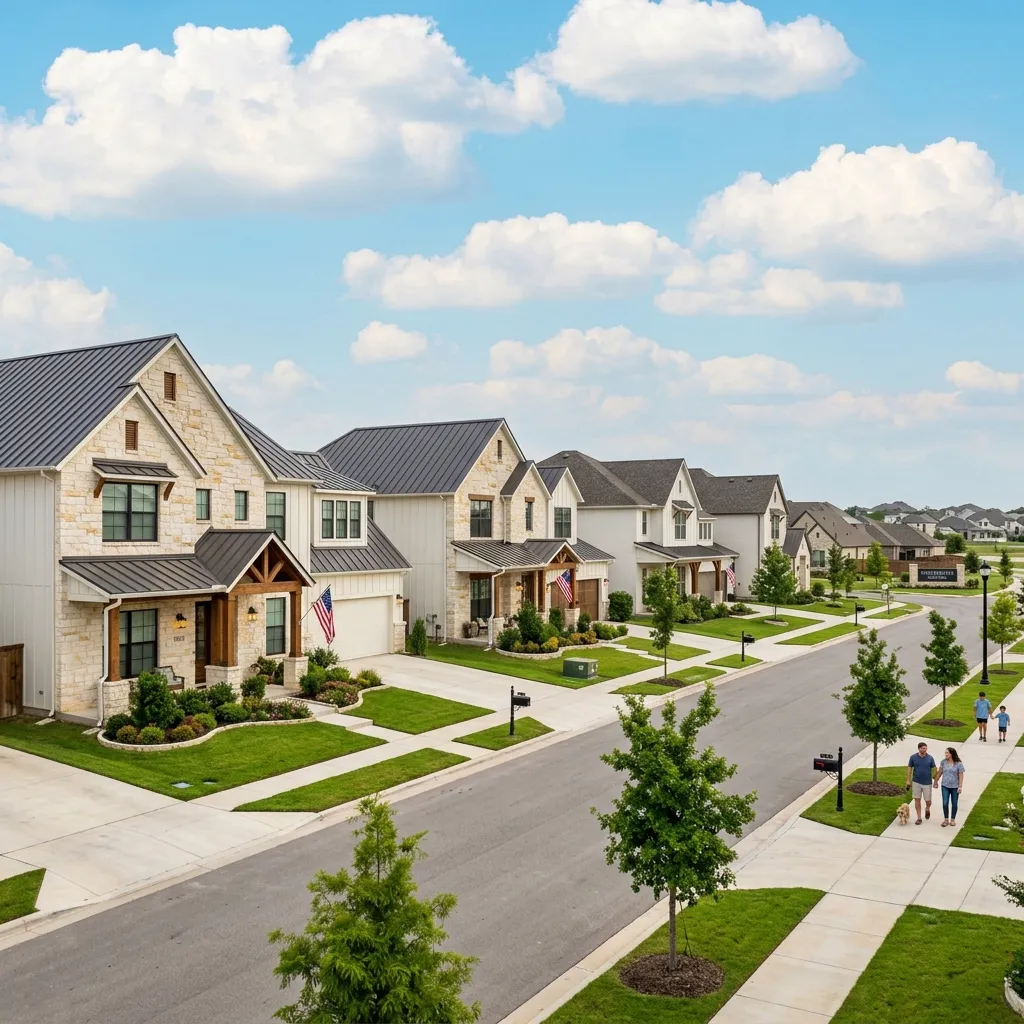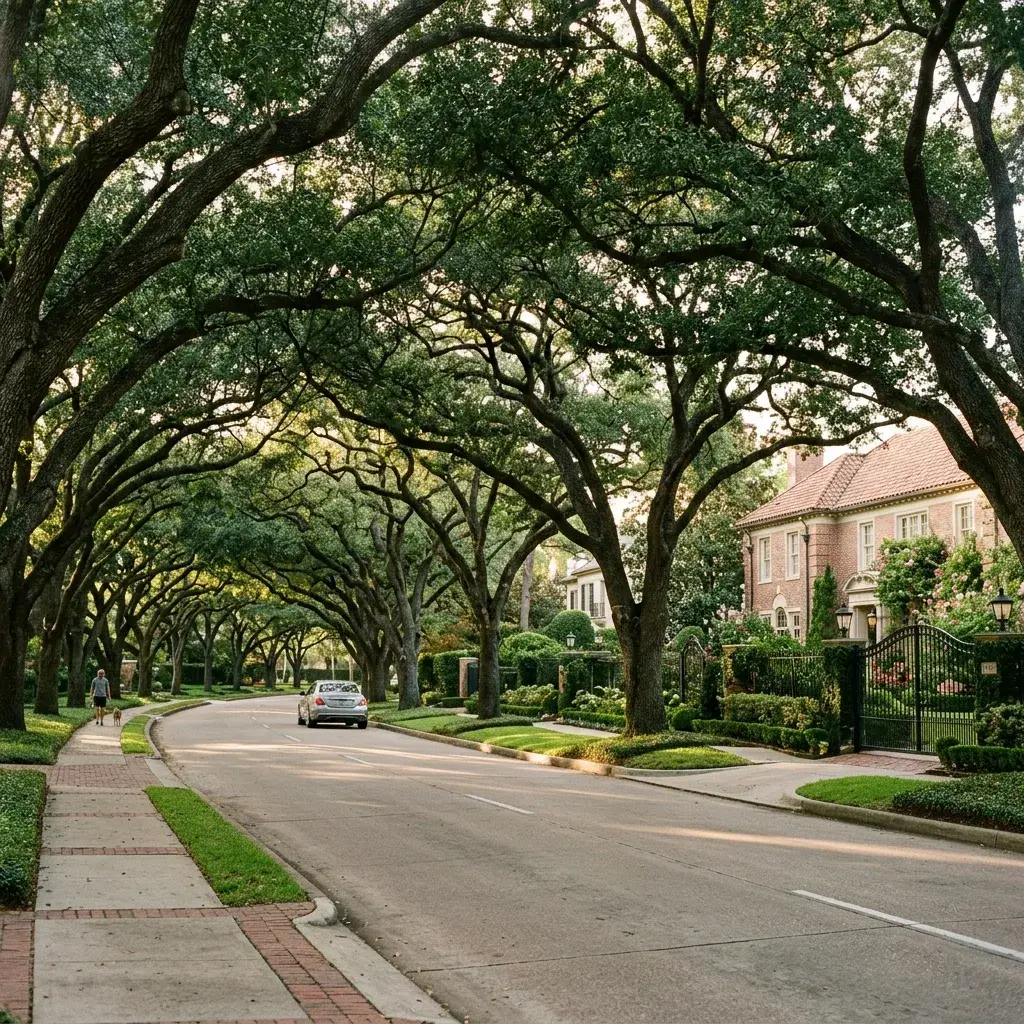
BLUF (Bottom Line Up Front): Relocating to Houston offers unmatched space, master-planned luxury living, and robust economic opportunity, but picking the right suburb is critical to managing your property taxes and daily commute times. For top-tier schools and established, wooded luxury, look to The Woodlands or Sugar Land. If you want a sprawling master-planned community with incredible resort-style amenities, Katy (Cinco Ranch) is a corporate relocation powerhouse. For maximum acreage, lower price-per-square-foot, and massive builder incentives, the new boom in Brazoria County offers unparalleled new-build opportunities.
Welcome to the Bayou City: Why Houston is a Relocation Magnet
If you're reading this, you are likely part of the massive and continuous wave of out-of-state buyers trading the high costs of living and cramped spaces of coastal cities for the sprawling opportunity of Houston, Texas. You're looking for breathing room, exceptional public schools, master-planned communities that feel more like high-end resorts, and a robust job market that spans energy, healthcare, aerospace, and technology.
But Houston isn’t just a city; it’s an expansive, multi-county metropolis that is larger in land mass than the entire state of New Jersey. The distance from the northern suburbs to the southern coastal areas can easily take an hour and a half to drive on a good day. Because of this massive footprint, your choice of suburb is arguably the most important decision you'll make when planning your move. The neighborhood you choose will dictate your property tax bill, your school zoning, your weekend lifestyle, and how many podcasts you can finish during your morning commute.
As local real estate experts at The Legacy Group, we’ve guided hundreds of out-of-state families through the complexities of the Houston relocation process. We know the nuanced differences between the hyper-local tax rates of various Municipal Utility Districts (MUDs). We know the reality of the commute down I-10 to the Energy Corridor versus navigating US-59 to the Texas Medical Center. And critically, we know exactly where the major home builders are offering the most aggressive rate buy-downs and closing cost incentives in 2026.
Let's break down the heavy hitters for families relocating to the greater Houston area, comparing the top suburbs so you can find the perfect landing spot.
1. Katy & Cinco Ranch: The Master-Planned Powerhouse
Located due west of Houston along the heavily traveled Interstate 10 corridor, Katy—and specifically the expansive, iconic master-planned community of Cinco Ranch—is arguably the most popular landing spot for corporate relocations and out-of-state transplants.
The Vibe and Lifestyle
Katy is virtually synonymous with the "Master-Planned Community" (MPC) lifestyle. Think winding, paved nature trails, massive community water parks, pristine golf courses, and meticulously landscaped boulevards at every turn. It is aggressively family-friendly. Here, Friday night high school football holds a sacred, cultural place in the community, with stadiums that rival small colleges. Weekends are spent at local farmers markets, community pools, or the massive Katy Mills shopping center.
Schools and Education
Katy Independent School District (Katy ISD) is a massive draw. It is consistently ranked among the top large public school districts in the entire state of Texas. Communities like Cinco Ranch, Cross Creek Ranch (technically in adjacent Fulshear, but widely considered part of the Katy ecosystem), and Elyson are heavily zoned to A-rated elementary, junior high, and high schools. For parents prioritizing public education, Katy is often the gold standard.
Real Estate & Commute Reality
- The Commute: Katy is the ideal suburb if you work in the Energy Corridor, which is essentially right next door. A commute to downtown Houston via I-10 takes about 35-50 minutes, depending on whether you utilize the Katy Freeway HOV/Toll lanes.
- Property Taxes: Expect tax rates in the newer Katy and Fulshear developments to hover around 2.8% to 3.2% due to active MUD taxes. However, older, established parts of Katy might sit closer to 2.4% as their infrastructure bonds have been paid down.
- Housing: You’ll find a diverse mix of established, tree-lined homes from the early 2000s in central Cinco Ranch, alongside brand-new construction on the northern and western fringes. In these newer sections, builder incentives (like $20,000 towards closing costs or significant interest rate buy-downs) are heavily prevalent and highly negotiable.
2. The Woodlands: The Wooded Oasis Up North
Located about 30 miles north of downtown Houston along Interstate 45, The Woodlands isn't just a standard suburb; it’s practically a self-sustaining city carefully nestled inside 28,000 acres of preserved pine forest.
The Vibe and Lifestyle
If you want to feel like you live in a secluded nature preserve that just happens to feature a luxury mall, Michelin-caliber dining, and a world-class outdoor amphitheater (The Cynthia Woods Mitchell Pavilion), The Woodlands is exactly what you are looking for. It appeals heavily to executives, luxury buyers, and those looking for an established, affluent, and incredibly green environment. There is a strict aesthetic code here—you won't see towering billboards or neon signs. Everything is designed to blend in with the natural forest canopy.
Schools and Education
The Woodlands is zoned primarily to Conroe ISD (with smaller portions falling into Tomball ISD and Magnolia ISD). The schools here are exceptional, frequently matching or exceeding the academic rigor found in Katy. The master-planned area is divided into distinct "Villages," each featuring its own village center, parks, grocery stores, and unique architectural feel.
Real Estate & Commute Reality
- The Commute: Commuting downtown via I-45 or the Hardy Toll Road takes about 45-60 minutes. However, a significant portion of residents never leave the area; massive corporations like ExxonMobil and various healthcare systems have their sprawling corporate campuses right in or immediately adjacent to The Woodlands.
- Property Taxes: Because The Woodlands is a deeply established township, property taxes are generally lower than newer master-planned communities on the fringes of the city, often sitting comfortably around 1.9% to 2.2%.
- Housing: Inventory ranges from older, deeply wooded properties built in the 1980s and 1990s (perfect for extensive remodeling) to breathtaking, multi-million dollar estates in the exclusive Village of Carlton Woods. True new construction is scarce within the township itself, but abundant in the immediate periphery (like Woodforest).
3. Sugar Land: The Diverse, Sweet Suburb of the Southwest
Located southwest of Houston in Fort Bend County, Sugar Land is a meticulously maintained, highly affluent suburb with a rich history—literally built around the original headquarters of the Imperial Sugar Company.
The Vibe and Lifestyle
Sugar Land feels highly polished, incredibly safe, and beautifully diverse. It offers a slightly more manicured, traditional suburban feel compared to the dense, wild forests of The Woodlands. It features gorgeous man-made lakes, private country clubs, and a highly walkable Town Square that serves as the buzzing heart of the community with upscale dining, boutique shopping, and community events.
Schools and Education
Fort Bend ISD serves the Sugar Land area, boasting some of the most highly acclaimed and academically rigorous schools in the state, particularly within the Clements High School zoning matrix. The area is also famous for its incredible cultural diversity, which is reflected in an absolutely world-class international culinary scene.
Real Estate & Commute Reality
- The Commute: A commute to downtown Houston or the Texas Medical Center is relatively straightforward via US-59 (now I-69), usually taking 30-45 minutes. It’s an exceptionally popular location for physicians and healthcare professionals working in the Med Center.
- Property Taxes: Similar to The Woodlands, Sugar Land is an established city. Tax rates generally range from 2.0% to 2.4%, making it far more favorable from a monthly payment perspective than brand-new MUD districts.
- Housing: You will find heavily established, prestigious neighborhoods like First Colony and Sweetwater, known for massive mature oak trees and golf course living. Riverstone, a newer luxury master-planned community on the edge of Sugar Land, offers stunning newer homes but comes with slightly higher tax rates.
4. The Brazoria County Boom: Space, Growth, and Affordability
If you're willing to head further south—looking at rapidly expanding areas like Manvel, Iowa Colony, and Alvin—you are entering Houston's newest frontier of residential development. This is where the landscape is changing the fastest.
The Vibe and Lifestyle
This area is currently transitioning from wide-open rural farmland to massive, incredibly ambitious master-planned communities like Meridiana, Pomona, and Sierra Vista. The vibe is pioneering, young, family-oriented, and aggressively growing. You are getting in on the ground floor of what will eventually become the next Katy or Sugar Land.
Schools and Education
Alvin ISD is the primary district serving this boom area, and they are rapidly building state-of-the-art new elementary and high schools to keep up with the explosive population growth. The neighborhood amenities in these new communities are staggering—featuring resort-style lazy rivers, on-site cafes, massive fitness centers, and interactive learning labs.
Real Estate & Commute Reality
- The Commute: Utilizing the Highway 288 corridor (which recently added dedicated toll lanes), the commute straight up to the Texas Medical Center or Downtown is surprisingly efficient, often taking just 35-45 minutes.
- Property Taxes: Be prepared for a higher tax bill. Because the infrastructure (roads, water, sewer) is brand new, MUD taxes are at their peak. Expect total tax rates to range from 3.2% to 3.6%.
- Housing: This is the undisputed king of new construction. If you want a brand-new home with the latest smart home tech, maximum energy efficiency, and massive builder incentives, Brazoria County is the place to look. You also get significantly more square footage and larger lot sizes for your money compared to the established suburbs.
Crucial Real Estate Factors for Out-of-State Buyers
When moving to Texas from states like California, New York, or Illinois, the rules of real estate change significantly. Here is what you absolutely need to know before you start touring homes:
Understanding MUD Taxes
Texas has no state income tax, which is a massive financial draw. However, we fund our local infrastructure primarily through property taxes. When developers build master-planned communities in former pastures, they have to build their own water and sewer infrastructure. This is financed by Municipal Utility District (MUD) bonds.
- Newer Communities: Because they are actively paying off these infrastructure bonds, MUD taxes are higher. Your total tax rate might be 3.0% - 3.6%.
- Older Communities: These areas have often paid off their MUD debt over the decades, resulting in a total tax rate closer to 1.9% - 2.5%. Always factor the specific home's tax rate into your monthly budget.
The True Cost of the Commute
Don't just look at the mileage on Google Maps; look at the specific freeways. A 20-mile commute on the Katy Freeway (I-10) with access to dedicated toll lanes is vastly different from a 20-mile commute on smaller, congested local highways. Always map your commute during actual rush hour (7:30 AM and 5:00 PM CST) to get a realistic picture of your daily drive.
Leveraging New Build Incentives
In 2026, builders are aggressively competing for buyers. If you are open to new construction (especially in Fulshear, the Katy fringes, or Brazoria County), builders are frequently offering massive financial incentives. A skilled local realtor can routinely negotiate permanent interest rate buy-downs, free structural upgrades, and tens of thousands in closing costs for clients buying new construction. Never walk into a builder's sales office unrepresented.
Make Your Move with The Legacy Group
Relocating across the country is stressful enough without having to guess which Houston suburb will perfectly fit your family's lifestyle. You need a boots-on-the-ground, expert real estate team who can seamlessly guide you through property tax rates, school district zoning maps, flood plains, and aggressive builder negotiations.
At The Legacy Group, we specialize in helping out-of-state families find their perfect Texas home. We conduct detailed video tours, provide deep-dive neighborhood analyses, and execute aggressive contract negotiations so you can make your move with absolute confidence.
Ready to start your Houston home search? Contact The Legacy Group today. Let's build your custom relocation strategy and find the perfect home for your family's next exciting chapter.
Frequently Asked Questions (FAQ)
1. How do property taxes in Houston compare to other states? While the state of Texas famously has no state income tax, local property taxes are generally higher than the national average, typically ranging from 1.9% to 3.6% depending entirely on the neighborhood. It is crucial to look at the specific tax rate of an individual home, not just the county average, as hyper-local Municipal Utility Districts (MUDs) will drastically affect your monthly mortgage payment.
2. Is it better to buy new construction or an existing home when moving to Houston? It depends entirely on your priorities. New construction often comes with excellent financial builder incentives (like interest rate buy-downs) and modern open floor plans, but usually features higher MUD tax rates and smaller lot sizes. Existing homes in established areas like The Woodlands or Sugar Land offer lower tax rates, mature trees, and larger lots, but may require updating or remodeling.
3. What exactly is a Municipal Utility District (MUD) tax? A MUD is a political subdivision of the State of Texas authorized to provide water, sewage, drainage, and other utility-related services to new residential and commercial developments. Because developers pay for this infrastructure upfront, homeowners pay off that specific debt over time via the MUD tax. Older, more established communities have often paid off their MUD debt, resulting in lower overall property tax rates for those homeowners.
Explore More from The Legacy Group
Looking to make a move? Take advantage of our exclusive resources:
- Search Off-Market and MLS Properties
- Get a Free Forensic Home Valuation
- Read our comprehensive Buyer's Guide
- Explore Houston Neighborhoods
For official flood map data, always consult FEMA's National Flood Insurance Program, and verify inspector credentials via TREC.
Local Business Schema (JSON-LD)
Ready to Take the Next Step?
Whether you're buying, selling, or investing, the Houston real estate market requires strategic expertise. Contact The Legacy Group today to schedule a private consultation and discover how we can help you achieve your real estate goals.